11月4日下午,西交利物浦大学图书馆在中心楼CB303举办知识管理研讨会,黎汉林教授应邀作题为“成为知识的掌控者”的讲座。图书馆馆员齐聚现场,本次活动由图书馆馆长杨丽萍主持。
On the afternoon of November 4, XJTLU Library held a knowledge management seminar in CB303, Central Building, where Prof. Han-lin LI was invited to give a lecture entitled Becoming the Master of Knowledge. Library staff gathered for the event, hosted by Liping YANG, the University Librarian.
开场致辞:恰逢其时的知识之约 Opening Remarks: A Timely Knowledge Encounter
杨丽萍馆长在致辞中谈起与黎教授共事的往事,也说起了图书馆的近况:图书馆正推动“资源与课程相结合”,把馆藏资源与教学需求连接起来。而黎教授分享的知识组织与呈现方法,恰好为这项工作提供宝贵的方法论参考。
In her remarks, Liping YANG, University Librarian, recalled working with Prof. Li and updated the library’s ongoing initiative, the integration of resources with courses. Prof. Li’s approaches to knowledge organization and presentation offer valuable methodological guidance for this work.
从海马体说起:让知识沉淀为长期记忆 Starting from the Hippocampus: Letting Knowledge Settle into Long-Term Memory
黎汉林教授以风趣通俗的分享,带领大家认识海马回(海马体)在记忆生成中的核心作用。我们获取了太多,却记住了太少,而海马体正是短期信息通往长期记忆的关口。由此他介绍“海马体记忆法”:把零散知识拆解,转化为有意义的画面与场景,让抽象概念看得见、记得住;同时找准时机、保持新鲜,在锻炼大脑的同时也“取悦”大脑。深奥的记忆机制被娓娓道来,现场不时响起共鸣的笑声。
With an engaging and accessible talk, Prof. Li introduced the central role of the hippocampus in memory formation. We absorb abundant information yet retain little, as the hippocampus serves as the gateway from short-term to long-term memory. He then introduced the “hippocampus memory method”: break scattered knowledge down and turn it into meaningful images and scenes, so that abstract ideas become visible and memorable; choose the right moment and keep things fresh, exercising the brain while pleasing it He unpacked complex mechanisms gently, drawing frequent appreciative laughter.
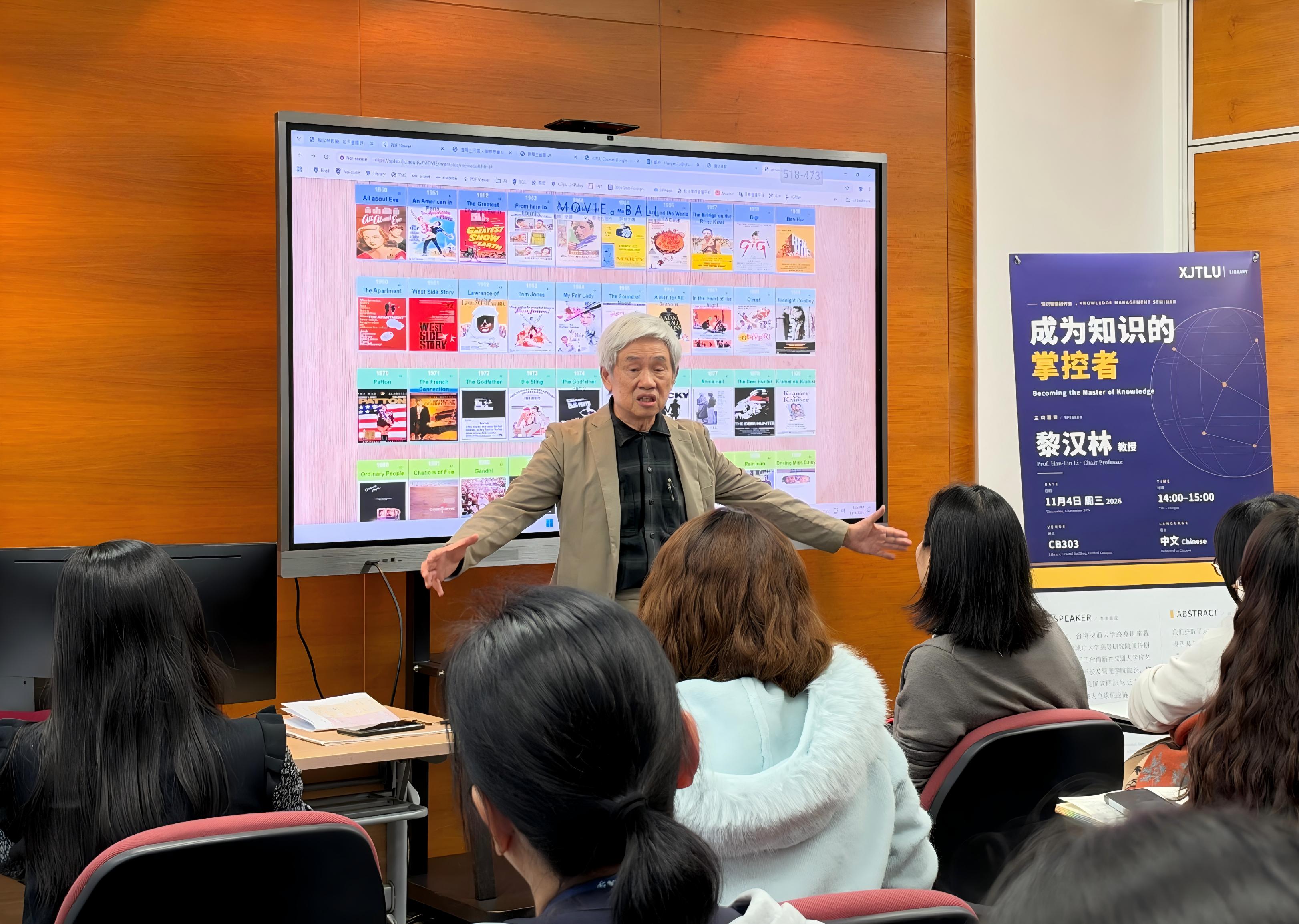
一图胜万字:怎样才是“好图” One Picture Worth Ten Thousand Words: What Makes a “Good Diagram”?
那么,什么样的图才算“好图”?黎教授结合自身的求学经历,展示了中国企业管理通览图、哈佛商业评论案例图、案例电影领导图等作品。他一边拆解这些图的构图逻辑,一边把问题抛给听众:好图不只是把信息堆在一起,更要建立结构与层次,既要讲得清楚,也要让人听得明白。由此他还提出,每个人都可以为不同的知识内容,设计属于自己的图。
So what makes a “good diagram”? Drawing on his own academic experience, Prof. Li showed works such as the Overview Map of Chinese Enterprise Management, Harvard Business Review Case Diagrams, and Case, Film and Leadership Visuals. While unpacking their compositional logic, he kept posing questions to the audience: a good diagram is not a heap of information; it builds structure and layers, and must be clear to present and easy to follow. He further suggested everyone can create custom diagrams for different knowledge.
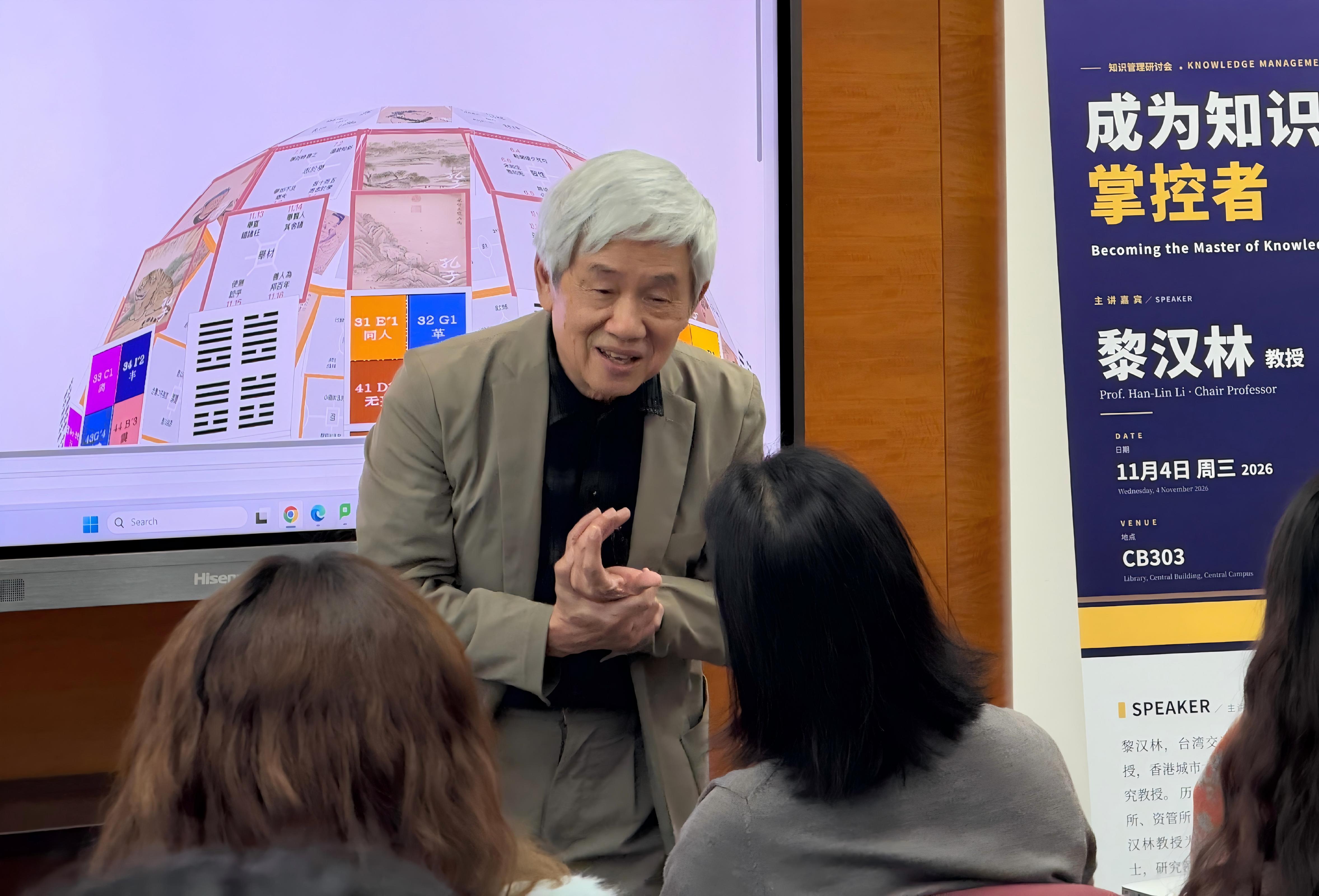
从平面到立体:心智球的妙用 From Plane to Solid: The Magic of the Mind Ball
在平面可视化的基础上,黎教授进一步将知识呈现从二维拓展至立体维度,介绍心智球的丰富实践,涵盖易孔孟老庄球、香港城市大讲座球、西洋艺术球等范例。不同于平面图表,球体没有固定边界、不存在唯一中心,球面上任意一点都可作为观察起点,视角能够按需灵活切换。依托这一特性,零散知识点被编织进立体网络,支持多元入口切入、多路径延伸探索,实现知识灵活重组、多维关联。
Beyond flat visualization, Prof. Li extended knowledge presentation from 2D to 3D, introducing rich practices of the Mind Ball, including the Yi–Confucius–Mencius–Laozi–Zhuangzi Ball, the City University of Hong Kong Lecture Ball, and the Western Art Ball. Unlike flat charts, spheres have no fixed boundaries or single center. Any point on the surface can serve as a starting viewpoint for flexible perspective shifts. This feature weaves scattered knowledge into a 3D network, enabling diverse entry points, exploratory paths, flexible reorganization and multi-dimensional connections.
AI时代:善用AI为知识编码 The AI Era: Using AI to Encode Knowledge
面对AI带来的变化,黎教授没有停留在理念层面,而是演示如何借助AI为信息编码、整合与表达:把零散材料整理成结构化提纲,让AI换个视角、生成图示,在保留个人判断的前提下提高加工效率。谈及图书馆的业务,他提出,图书馆应当成为知识的中心——把知识点进行编码,依托庞大的知识底座,训练AI尝试更多呈现方式,从而为用户提供更精准、更高效的服务。
Facing the changes brought by AI, Prof. Li did not stop at ideas; he demonstrated how to use AI to encode, integrate and express information: organizing scattered materials into structured outlines and generating diagrams with new perspectives, boosting efficiency while retaining human judgement. For library services, he proposed libraries should function as knowledge center: encode knowledge points and leverage extensive knowledge bases to train AI for diverse presentation formats, delivering more precise and efficient services to users.
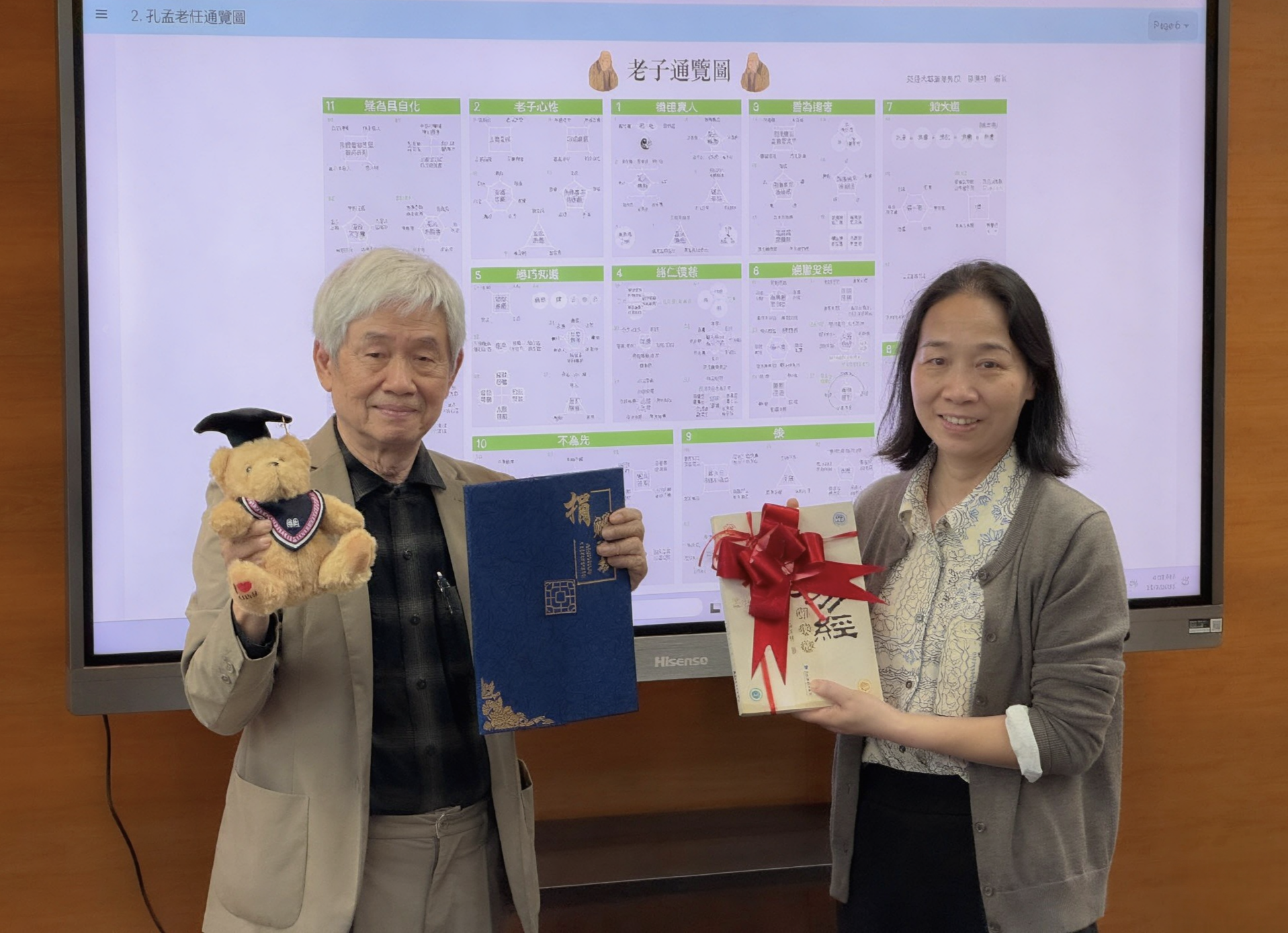
赠书留香:《学易经助决策》里的知识之道 A Gift of Books: The Way of Knowledge in Learning the Yijing to Aid Decision-Making
讲座结束前有个温暖的环节:黎教授向图书馆赠送自己的著作《学易经助决策》。这本书与今天的主题一脉相承——《易经》以卦象与图式把复杂处境凝练成格局,正是“结构化知识助决策”的一次长程实践。馆长杨丽萍代表图书馆接受赠书,并向黎教授颁发捐赠证书。
Towards the end of the talk came a warm segment: Prof. Li donated his own book, Learning the Yijing to Aid Decision-Making, to the library. The book is in line with the day’s theme — the Yijing condenses complex situations into recognizable patterns through hexagrams and diagrams. Liping YANG, University Librarian, accepted the donation on behalf of the library and presented Prof. Li with a donation certificate.
一场分享下来,图书馆员们听得津津有味,收获颇丰。这些方法不只对工作有用,对日常学习与生活中的知识管理与应用也大有裨益。比方法更打动人的,是他那份博学多识、热爱生活、敢于创新、乐观向上的状态——这样的精神,也鼓舞着在场的每一位同事。
Over the sharing session, the librarians found it engaging and rewarding. These methods benefit not only their work but also knowledge management in daily study and life. More striking than the methods was his erudition, his love of life, his innovative spirit and his optimism — a spirit that inspired everyone present.
嘉宾介绍:黎汉林,台湾交通大学终身讲座教授,香港城市大学高等研究院兼任研究教授。美国宾夕法尼亚大学博士,研究领域为全球供应链、决策支持系统及知识管理,发表学术论文100余篇、出版著作近10部,曾获杰出研究奖多次,学术成果丰硕。
About the speaker: Han-lin LI is a Lifetime Chair Professor at National Yang Ming Chiao Tung University (Taiwan, China) and an adjunct research professor at City University of Hong Kong. He earned his PhD at University of Pennsylvania. His research covers global supply chains, decision support systems and knowledge management; he has published over 100 academic papers and nearly 10 books, and has received Outstanding Research Awards multiple times.